Cart 0

Did you know that in Europe, 1 in 3 people have started using AI tools on a regular basis? Or that more than 2 in 3 people globally use social media in the year 2026?
Did you also know that 1 in 3 people in Malawi and Afghanistan do not have access to clean drinking water. In Mozambique, this statistic sits at 2 in 3 people.
The irony of the modern world is more stark than ever, with a percentage of our population developing at increasing rates, while far too many are left behind, without access to even the most basic human needs. To further the complexity, the very use of technology and AI is rapidly depleting water sources and vulnerable communities are the first to be affected in devastating ways.
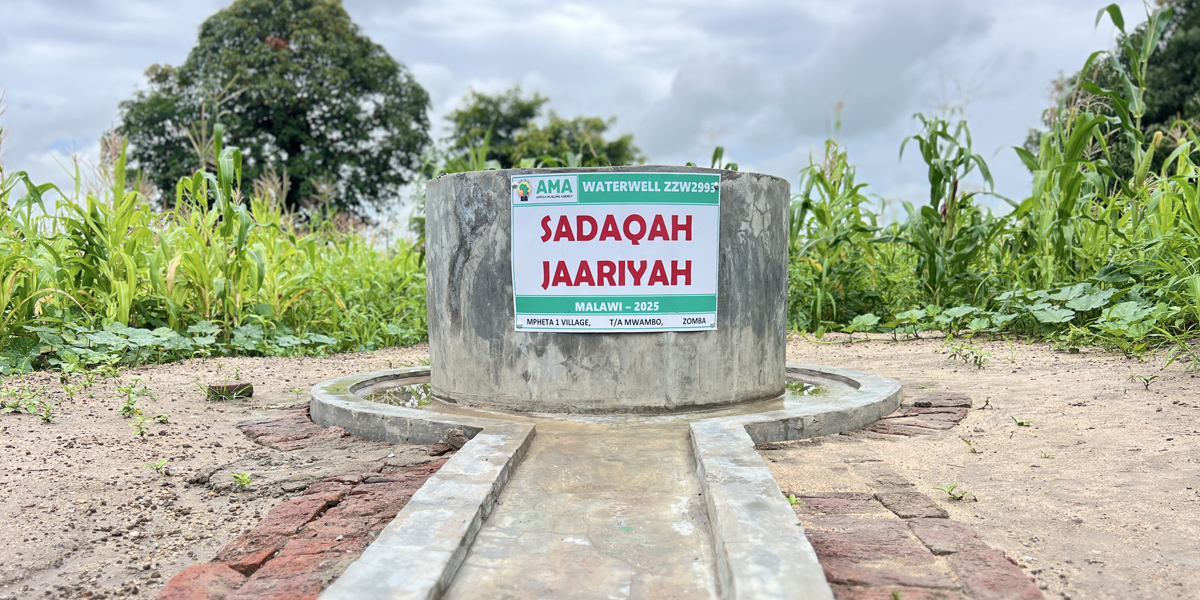
Africa Muslims Agency works in Malawi, Mozambique and Afghanistan throughout the year, building water wells and boreholes, because without clean water, every other hope of development is diminished.
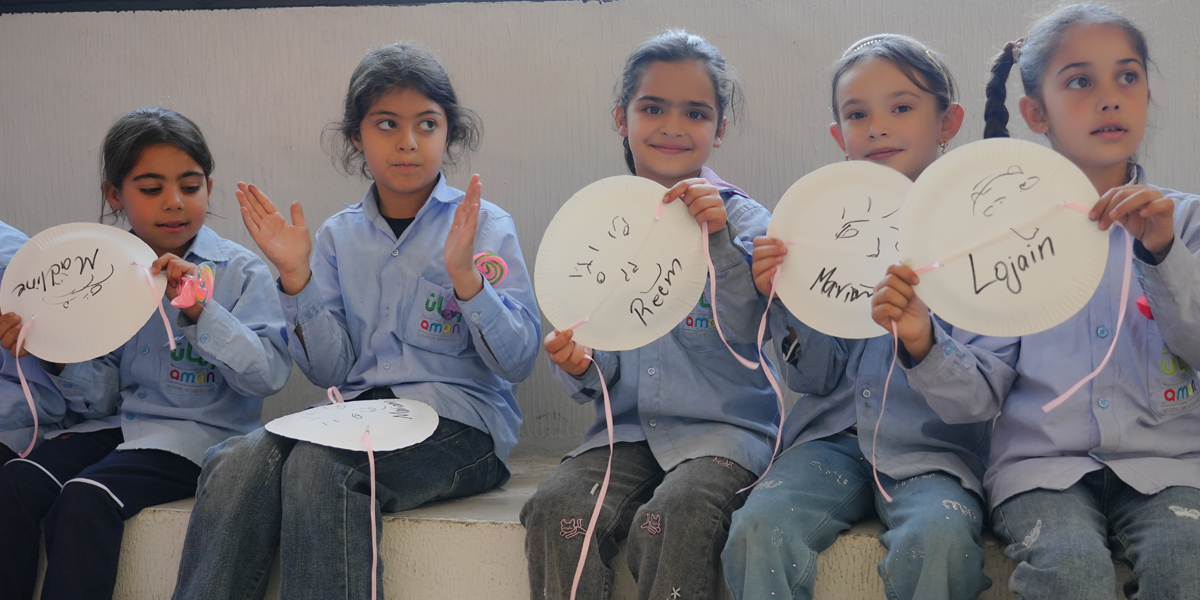
Each August, as we commemorate women’s month, we focus on the need for water, because across Africa and Asia, when clean water is not available, it becomes the job of the women and girls in the household to find and collect water. This results in girls not attending school, and a cycle of poverty that cannot be disrupted…until access to water enters the picture.
A well or borehole located in a village or on a mountain, means that girls can safely and quickly collect water in the morning, and then attend school. Their education, combined with the water, allows for economic activities such as farming, sewing and basic trade to occur. Renewed health from access to clean water means that standard of living for everyone in the area is automatically improved, which sets communities on an upward trajectory. All made possible with water.
Our teams are often asked about the difference between wells and boreholes.
Wells are shallower, dug to a depth of about 15m, and water is collected with a manual bucket system. In Africa, our boreholes include a manual hand pump, but are dug much deeper than wells, and serve larger villages as well as their surrounding communities.
In Afghanistan, boreholes have electric taps, mainly powered by solar energy, to ensure that communities are not dependent on the unreliable electricity in the country.
The benefits of water go deeper…because girls can now attend school, they are less likely to become victims of child labour or child marriage.
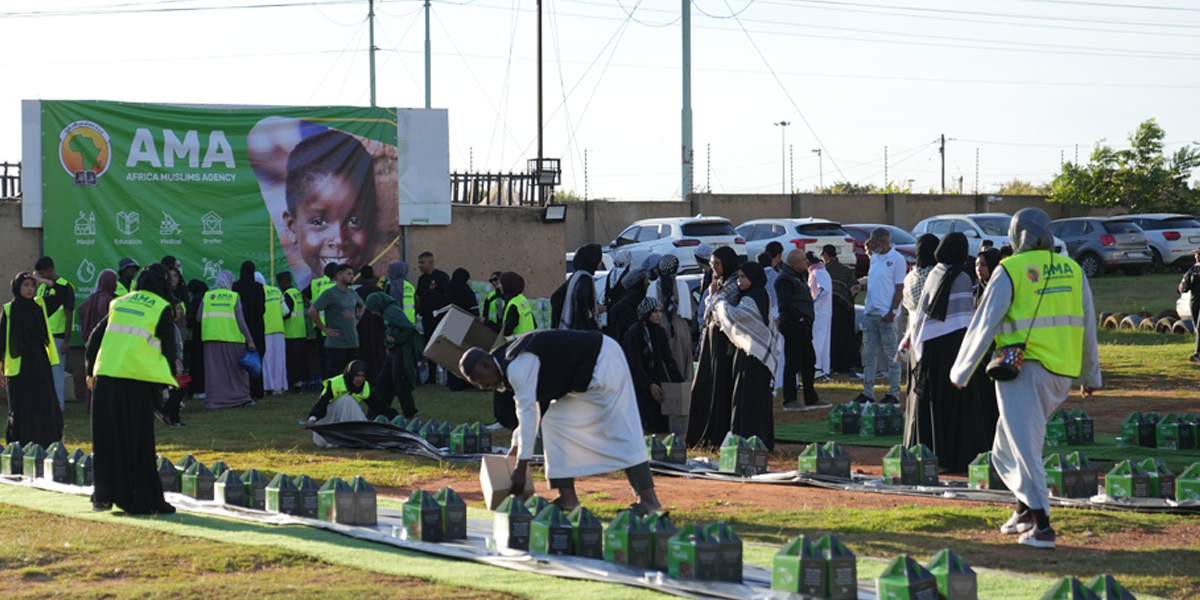
Throughout the month of August, AMA hosts events across the country, asking our communities to give towards the best of charities…the one that brings the greatest benefit for beneficiaries, while simultaneously bringing the greatest reward for the donor. Because behind every statistic is a story…a mother, a sister, a daughter…a life put on hold in order to find water.
Join our events and follow our social media pages for updates on the impact that your donations make, and contribute any amount, at any time, towards our water projects.